Browse Items (972 total)
Sort by:
Incense shovel with cross
DESCRIPTION
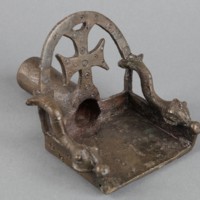
Rectangular bronze scoop, with socket on back for a handle. On the sides are two dolphins with arching tails attached to the scoop by rods round in section. Rising from the tails of the dolphins is an arch framing a cross, forming the…
Rectangular bronze scoop, with socket on back for a handle. On the sides are two dolphins with arching tails attached to the scoop by rods round in section. Rising from the tails of the dolphins is an arch framing a cross, forming the…
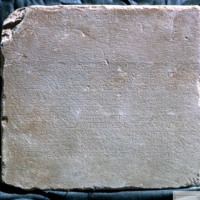
Inscribed Block from Anta of the Metroon (reused in Synagogue): Decree Honoring Heliodoros
DESCRIPTION
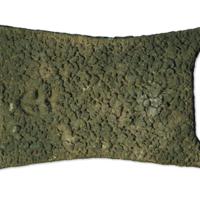
Block of grayish-white marble, upper left corner damaged. Below the inscription there is a blank space of 0.115 m; separated by a blank space of 0.16 m, it is preceded by no. 310. For further details, see Gauthier, pl. XII (drawing of…
Block of grayish-white marble, upper left corner damaged. Below the inscription there is a blank space of 0.115 m; separated by a blank space of 0.16 m, it is preceded by no. 310. For further details, see Gauthier, pl. XII (drawing of…