Browse Items (21 total)
- Collection: Late Antiquity Pilgrimage
Sort by:
A Model of the Church of the Holy Sepulcher, Jerusalem
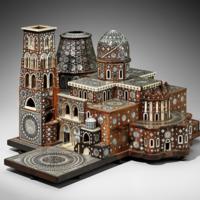
Still standing in Jerusalem, the Church of the Holy Sepulcher enshrines the reputed sites of Jesus’s crucifixion, entombment, and resurrection. In the 17th century, Middle Eastern craftsmen—working in Franciscan monasteries in the Holy Land—produced…
Ampulla (Flask) of Saint Menas
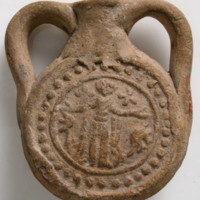
Ampullae like this one were used by pilgrims to bring home water or oil from the great pilgrimage site for Saint Menas, said to be a late-third-century Egyptian Roman soldier who was martyred for his Christian faith. He is shown between the two…
Hexagonal Jug with Handles
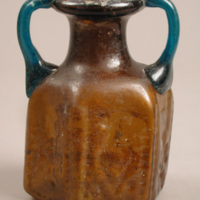
The designs on this jug are upside down, errors that likely resulted from mass production.
These vessels were made for Jews and Christians, possibly as tokens for pilgrims visiting the holy sites in Jerusalem or for use in burial rites. They…
These vessels were made for Jews and Christians, possibly as tokens for pilgrims visiting the holy sites in Jerusalem or for use in burial rites. They…
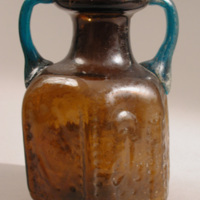
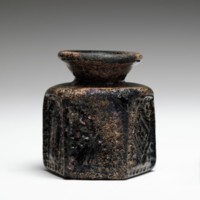
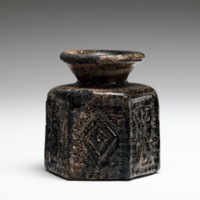
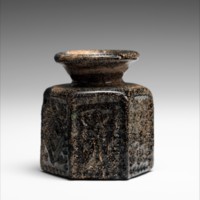
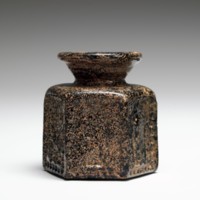
Hexagonal Pilgrim's Jar with Jewish Symbol
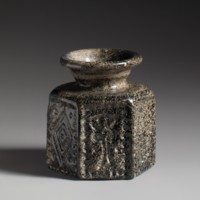
These vessels were made for Jews and Christians, possibly as tokens for pilgrims visiting the holy sites in Jerusalem or for use in burial rites. They appear to have been mass-produced in a single workshop, since the vessels for the two religions…